What type of fireplace is required for the Blue Ridge 500-I insert?
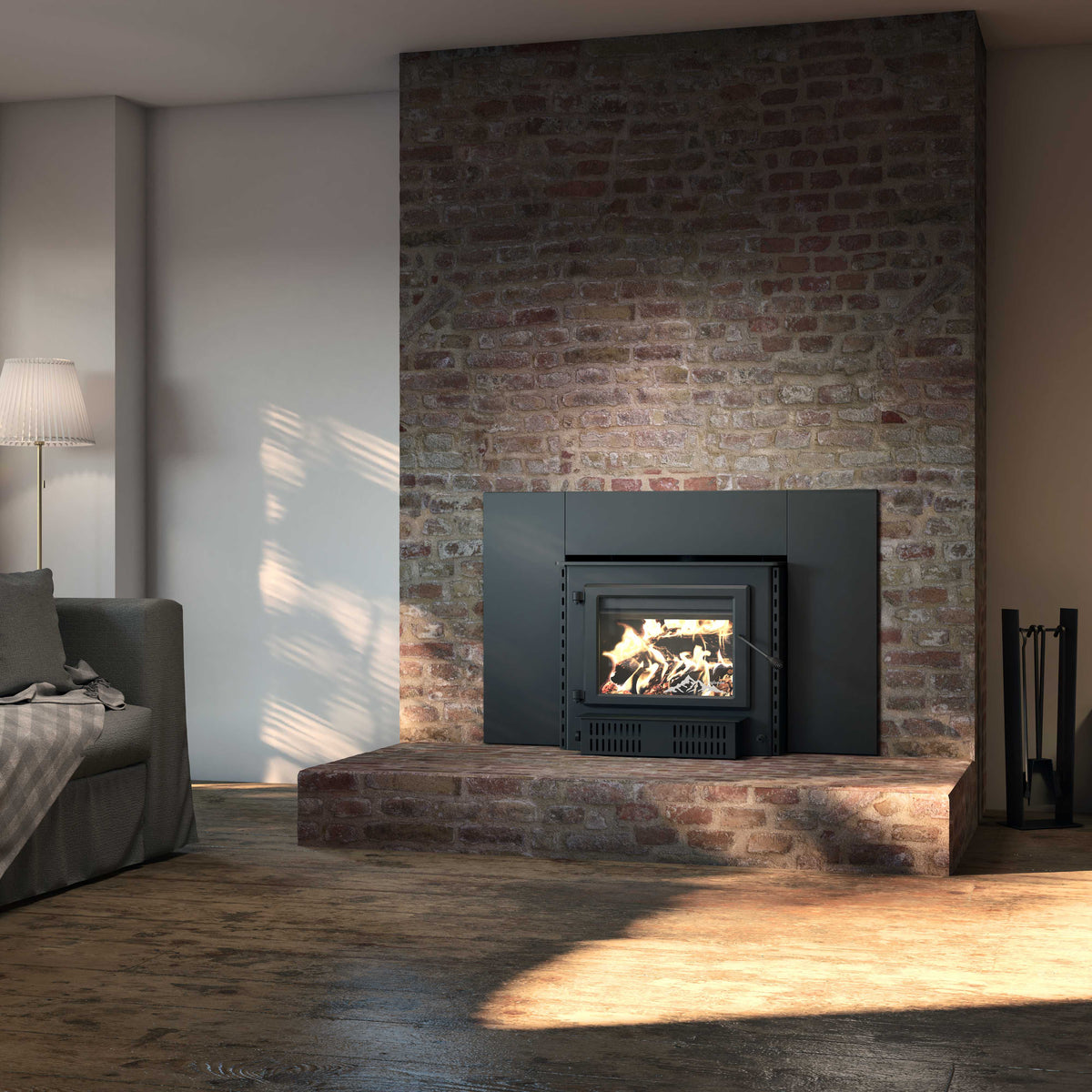
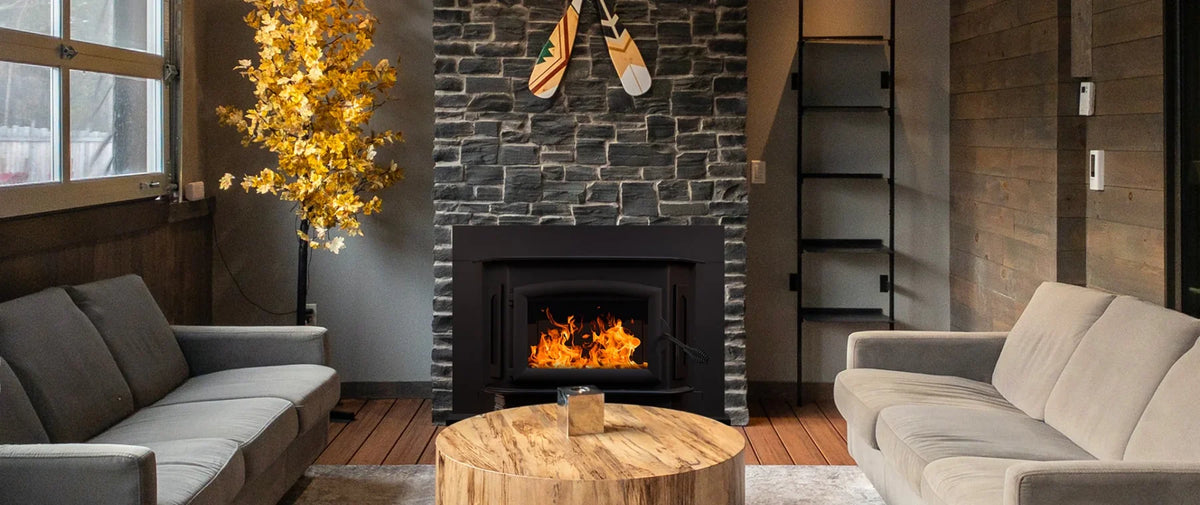
The Blue Ridge 500-I is designed exclusively for installation in existing masonry fireplaces and must never be installed in wooden or combustible structures. Your masonry fireplace must have minimum opening dimensions of 31" wide x 26 1/4" high x 18 3/8" deep to accommodate this insert. A properly lined chimney with a 6" diameter liner (ULC-S635, CAN/ULC-S640, or UL 1777 certified) and minimum height of 12 feet is required. This insert is not approved for mobile home installation. Professional installation by a qualified technician is strongly recommended to ensure proper fit, safety clearances, and chimney liner compatibility.
How does the 30% federal tax credit work for this wood insert?
The Englander Blue Ridge 500-I qualifies for the 30% U.S. federal tax credit available through December 2025 for high-efficiency biomass heating appliances. You can receive a tax credit equal to 30% of the product purchase price plus 30% of installation costs (including chimney liner, insulation, and labor), up to a maximum of $2,000 per year. The insert meets EPA 2020 emission standards with an HHV efficiency rating of 71%, exceeding the requirements for tax credit eligibility. To claim the credit, retain your purchase receipt, installation invoice, and the manufacturer's tax credit certification statement, then complete IRS Form 5695 when filing your taxes. Consult with a tax professional for specific guidance on your eligibility and claim process.
What is the actual heating capacity and how long does a load of wood last?
The Blue Ridge 500-I effectively heats between 1,000 and 2,700 square feet depending on your home's insulation, ceiling height, climate, and wood quality. Maximum heat output reaches 110,000 BTU/h, while the operating range is 17,200 to 57,800 BTU/h for controlled heating. With its 3.5 cubic foot firebox capacity, you can achieve up to 10 hours of burn time on a single load when using properly seasoned dry cordwood (16-20% moisture content recommended). Burn times vary based on wood species, moisture content, load size, air control settings, and outdoor temperature. For optimal efficiency and extended burn times, use well-seasoned hardwoods like oak, maple, or ash, and operate the insert with the air intake damper properly adjusted.
Is professional installation required and what are the typical installation costs?
While not legally required in all jurisdictions, professional installation by a certified chimney specialist or NFPA-certified installer is strongly recommended for safety, proper operation, and warranty protection. Installation complexity depends on your existing fireplace and chimney condition. Typical costs range from $800 to $2,500 for professional installation, including chimney inspection, liner installation (if needed), insulation, connection components, and labor. Additional costs may include chimney cleaning ($150-300), liner relining ($1,000-3,000 if required), masonry repairs, and building permits. Remember that 30% of these installation costs qualify for the federal tax credit (up to $2,000 total credit per year), which can offset a significant portion of installation expenses. Always obtain multiple quotes from qualified installers and verify their credentials and insurance coverage.
What maintenance is required to keep the insert operating efficiently?
Regular maintenance ensures optimal performance, safety, and longevity. Before each heating season, have your chimney professionally inspected and cleaned to remove creosote buildup. During the burning season, empty the ash pan when it reaches 2-3 inches of accumulation, check and clean the glass using approved glass cleaner (when cool), and inspect door gaskets for wear or damage. Clean the airwash system openings periodically to maintain clear glass viewing. The 144 CFM blower should be vacuumed annually to remove dust from the fan blades. Every few years, inspect refractory bricks and vermiculite baffle for cracks or deterioration and replace if necessary. Only burn dry, seasoned cordwood with less than 20% moisture content—never burn treated wood, trash, or artificial logs, as these create excessive creosote and can damage the insert. Following proper burning practices and maintenance schedules will maximize efficiency and extend the life of your insert.
How does the blower system work and is it necessary for operation?
The included 144 CFM variable speed blower with thermodisc significantly enhances heat distribution throughout your home by circulating warm air from around the insert into your living space. The thermodisc is a temperature-activated switch that automatically turns the blower on when the insert reaches optimal operating temperature (typically around 120-140°F) and turns it off when the unit cools down, preventing cold air circulation. While the blower is not required for basic operation—the insert will radiate heat effectively on its own—the blower dramatically improves heating efficiency and comfort by moving warm air more effectively into larger spaces or adjacent rooms. The variable speed feature allows you to adjust airflow based on your preference and heating needs. The blower operates quietly and consumes minimal electricity (typically 100-150 watts), making it an economical addition that maximizes your heating investment.
Can I burn wood with the door open like a traditional fireplace?
The Blue Ridge 500-I should never be operated with the door open unless you install the optional Rigid Fire Screen accessory (sold separately, model AC01281). The rigid fire screen allows you to safely enjoy an open-fire experience—hearing the crackle of burning wood and watching flames without the glass barrier—while preventing sparks and embers from escaping into your room. Operating the insert with the door open without the fire screen is dangerous and violates safety standards. When burning with the door closed (normal operation), the glass airwash system keeps the large ceramic viewing window clean, providing an excellent view of the fire while maintaining the insert's high efficiency and safety. The closed-door operation also ensures optimal combustion efficiency, reduced emissions, and maximum heat output. For everyday use, keep the door closed and enjoy the spectacular flame display through the 16 5/8" x 11 3/4" viewing window.
What warranty coverage is included and what does it protect?
The Englander Blue Ridge 500-I includes a limited 5-year warranty covering manufacturing defects in materials and workmanship under normal use and proper maintenance. The warranty typically covers the firebox, door assembly, and major structural components against defects, though wear items like gaskets, glass, refractory bricks, vermiculite baffle, and the blower motor are generally covered for shorter periods or excluded as consumable parts. The warranty does not cover damage from improper installation, modification, misuse, burning inappropriate materials, lack of maintenance, over-firing, or normal wear and tear. To maintain warranty coverage, you must register your product with Englander within the specified timeframe (typically 30-60 days of purchase), retain proof of purchase, follow all installation and operating instructions in the owner's manual, use only approved replacement parts, and perform recommended maintenance. Professional installation is strongly recommended and may be required for warranty validity. Contact Englander or your authorized dealer for complete warranty terms and claim procedures.